
Premium Argentine Soybeans & Derivatives
Sourced directly from vetted agricultural producers in Santa Fe, Córdoba, and Buenos Aires. Exported in bulk ocean vessel charter and containerized liner configurations to international standards.
Available Export Offerings
Showing 4 verified grain and derivative specifications
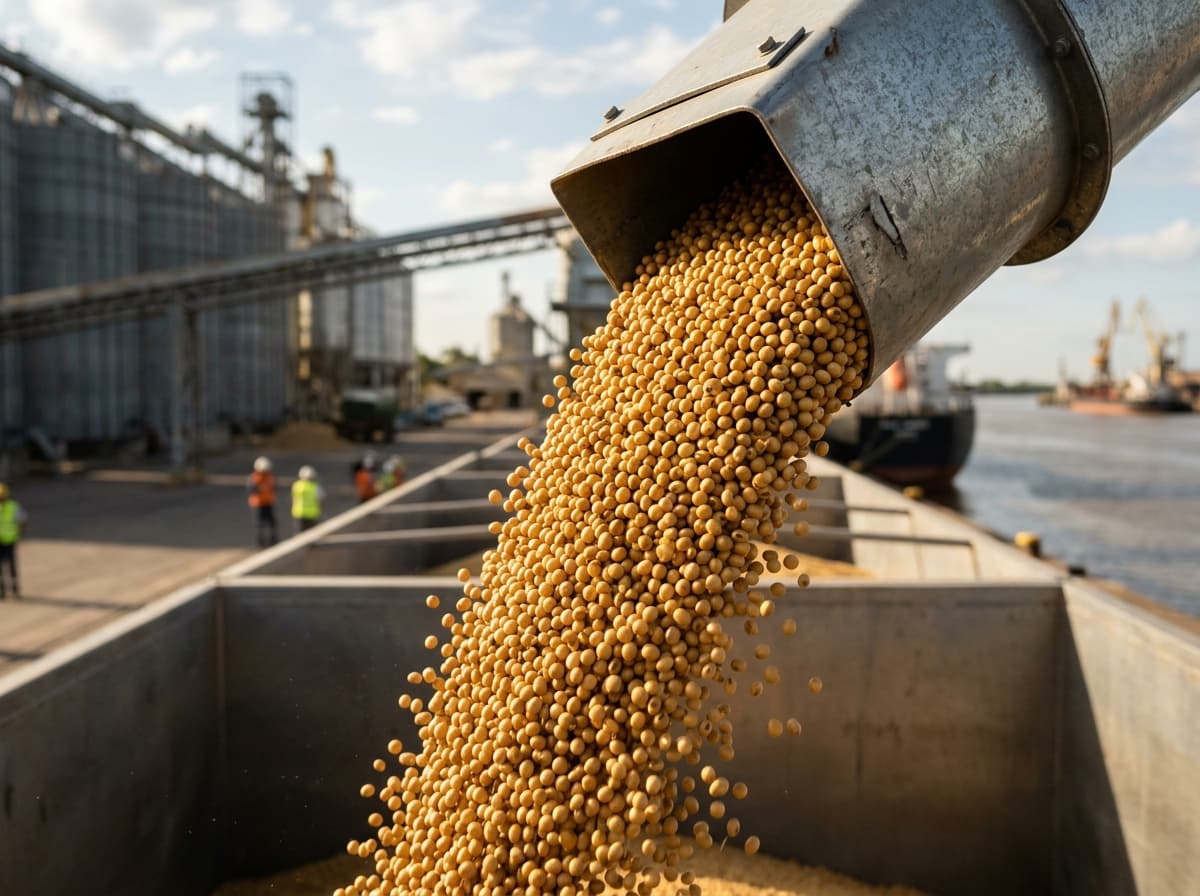
Argentine Yellow Soybeans (Crushing Grade)
High-oil & high-protein Argentine bulk soybeans for industrial extraction
Premium-grade yellow soybeans sourced from the Argentine Pampas, optimized for industrial crushing, oil extraction, and protein meal production.
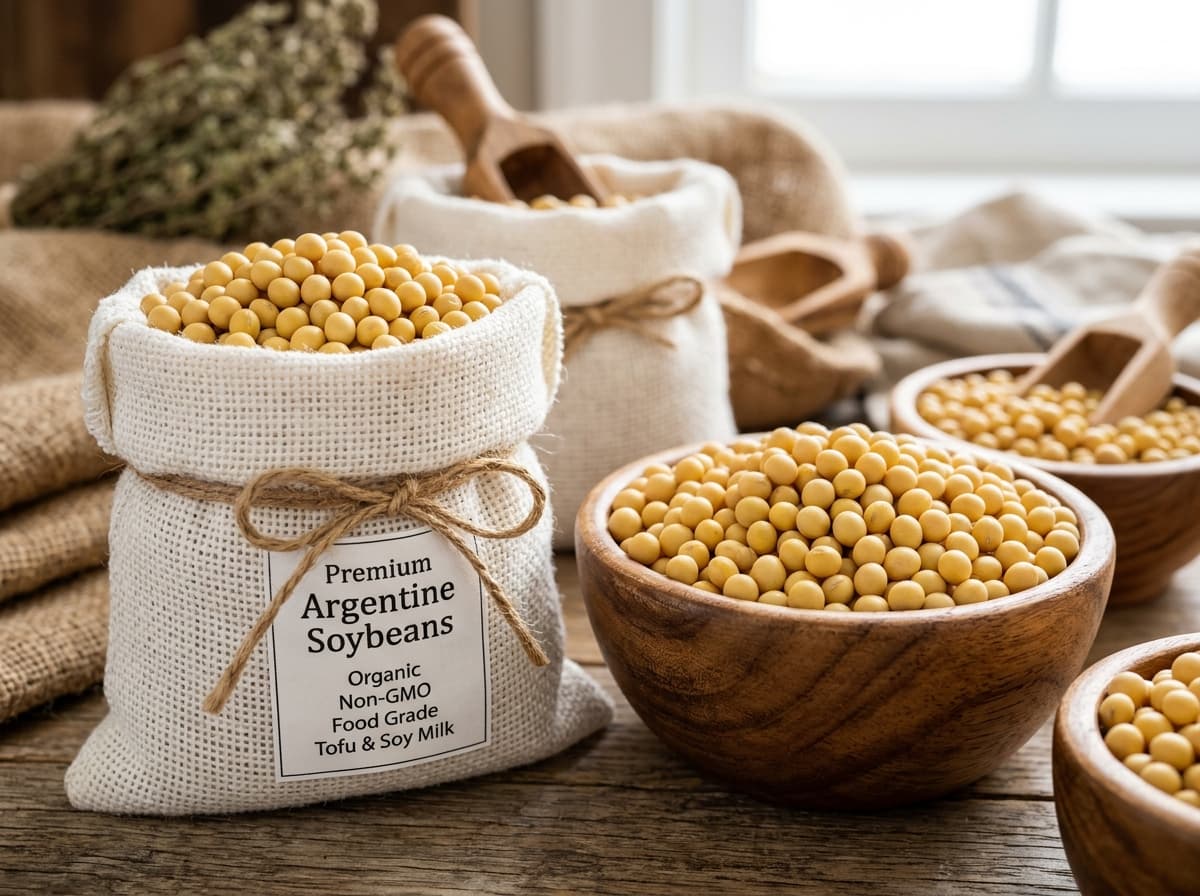
Non-GMO Argentine Food-Grade Soybeans
Certified identity-preserved non-genetically modified soybeans for food production
Strictly segregated non-GMO soybeans cultivated under dedicated identity preservation protocols for soy milk, tofu, soy flour, and nutritional foods.
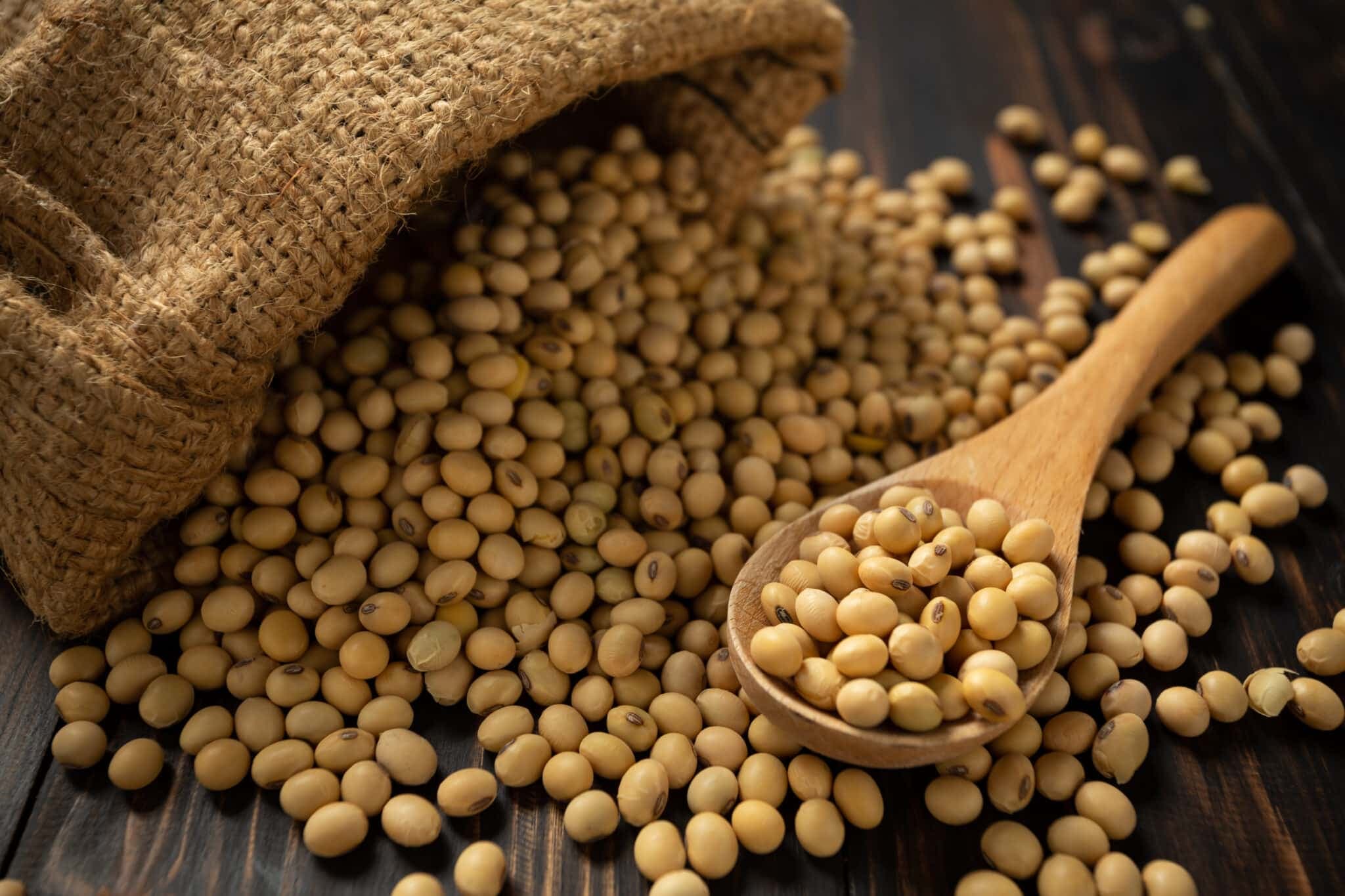
Argentine Feed-Grade Soybeans & Extrusion Grain
High-energy, nutritionally dense whole soybeans for compound livestock and poultry feed
Carefully conditioned raw Argentine soybeans calibrated for full-fat extrusion, roasting, and feed milling for poultry, swine, and dairy rations.
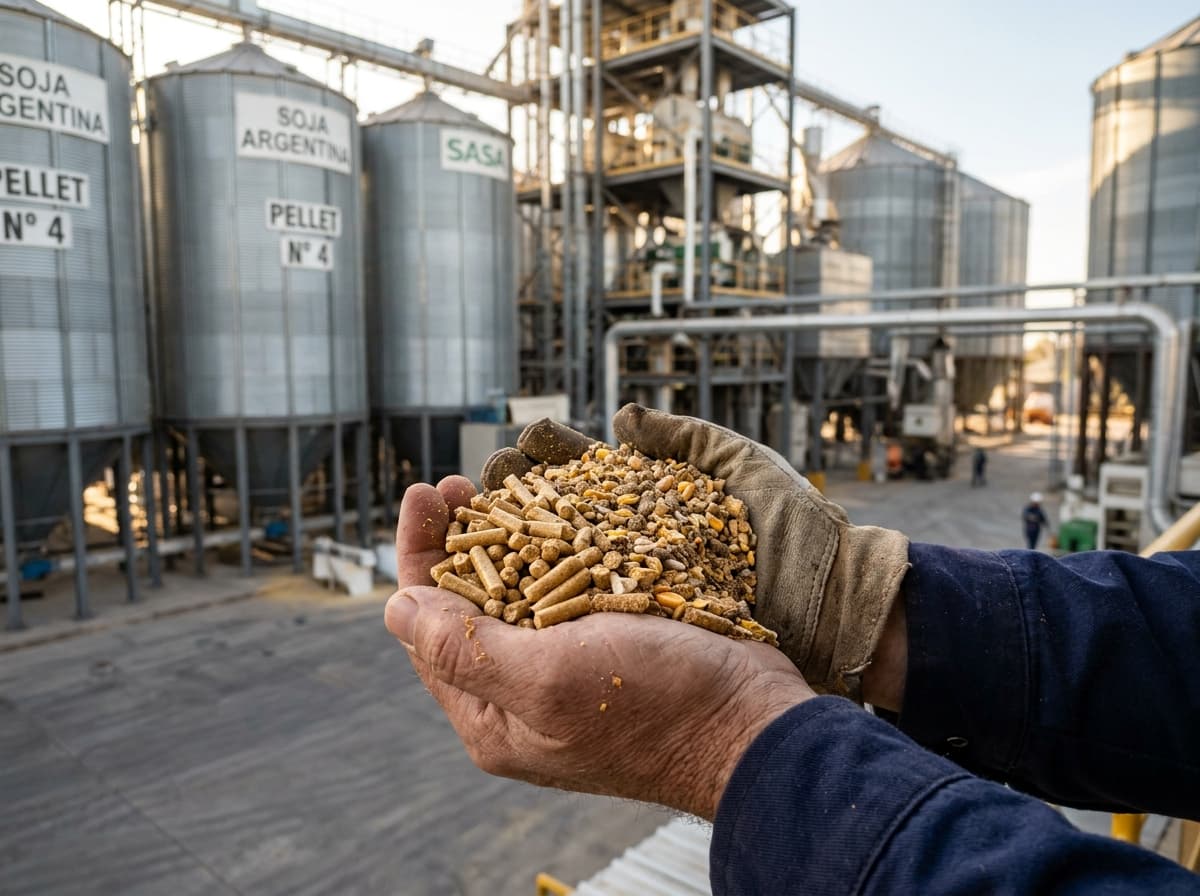
Argentine Soybean Meal & Pellets (By-Product)
High-protein Argentine soybean meal for animal feed compounding and aquaculture
High-protein (46.5% – 48% Profat) defatted Argentine soybean meal and pellets produced by world-class crushing complexes along the Paraná river.
Side-by-Side Grade Specifications
Standard commercial parameters applied to ocean vessel and container bookings from Argentine terminals.
| Parameter | Crushing Grade | Non-GMO Food Grade | Feed Grade | Soybean Meal Pellets |
|---|---|---|---|---|
| Product Type | Yellow Soybeans (GMO) | Identity-Preserved Non-GMO | Yellow Soybeans (Feed) | Dehulled Pellets / Granular |
| Crude Protein | 34.0% – 36.0% | 36.0% – 38.5% | 33.5% – 35.0% | Min 46.5% – 48.0% Profat |
| Max Moisture | Max 13.5% – 14.0% | Max 12.5% – 13.0% | Max 14.0% | Max 12.0% – 12.5% |
| Foreign Matter (FM) | Max 2.0% | Max 1.0% | Max 2.0% – 2.5% | Max 1.0% Sand/Silica |
| Oil / Crude Fat | 18.5% – 20.0% min | 18.0% – 19.5% | 18.0% min | 1.5% min residual |
| Min. Order Quantity | 1,000 MT (FCL) / 12,500 MT (Bulk) | 100 MT (FCL Containers) | 250 MT (Containers) / Bulk | 500 MT (FCL) / 10,000 MT (Bulk) |
| Standard Packaging | Bulk Vessel / Sea-Bulk Liner | 50kg Bags / 1,000kg Big Bags | Bulk Vessel / Sea-Bulk Liner | Bulk Vessel / 1,000kg Big Bags |
Non-standard tolerances (such as optical colour sorting, protein over 38%, or specific PCR GMO thresholds below 0.1%) can be quoted upon formal technical request through our Argentine export desk.
Argentine Soybean Harvest & Shipping Windows
The Argentine soybean harvest commences in February and concludes in late May. This Southern Hemisphere seasonality gives international buyers prime access to fresh, newly harvested grain during the Northern Hemisphere inter-crop window. Continuous port elevation and year-round silo storage ensure steady export flow throughout the year.